USDA and FDA inspected facilities do not pass because a floor has the right buzzword in a product name. They pass because the floor performs in the room it serves.
That means the surface is intact, cleanable, drainable, compatible with the sanitation program, and maintained before small failures become food safety problems. We see the same issues again and again in processing rooms: cracked coatings, loose patch edges, exposed aggregate, missing cove, birdbaths around drains, and transitions that sanitation crews have to fight every night.
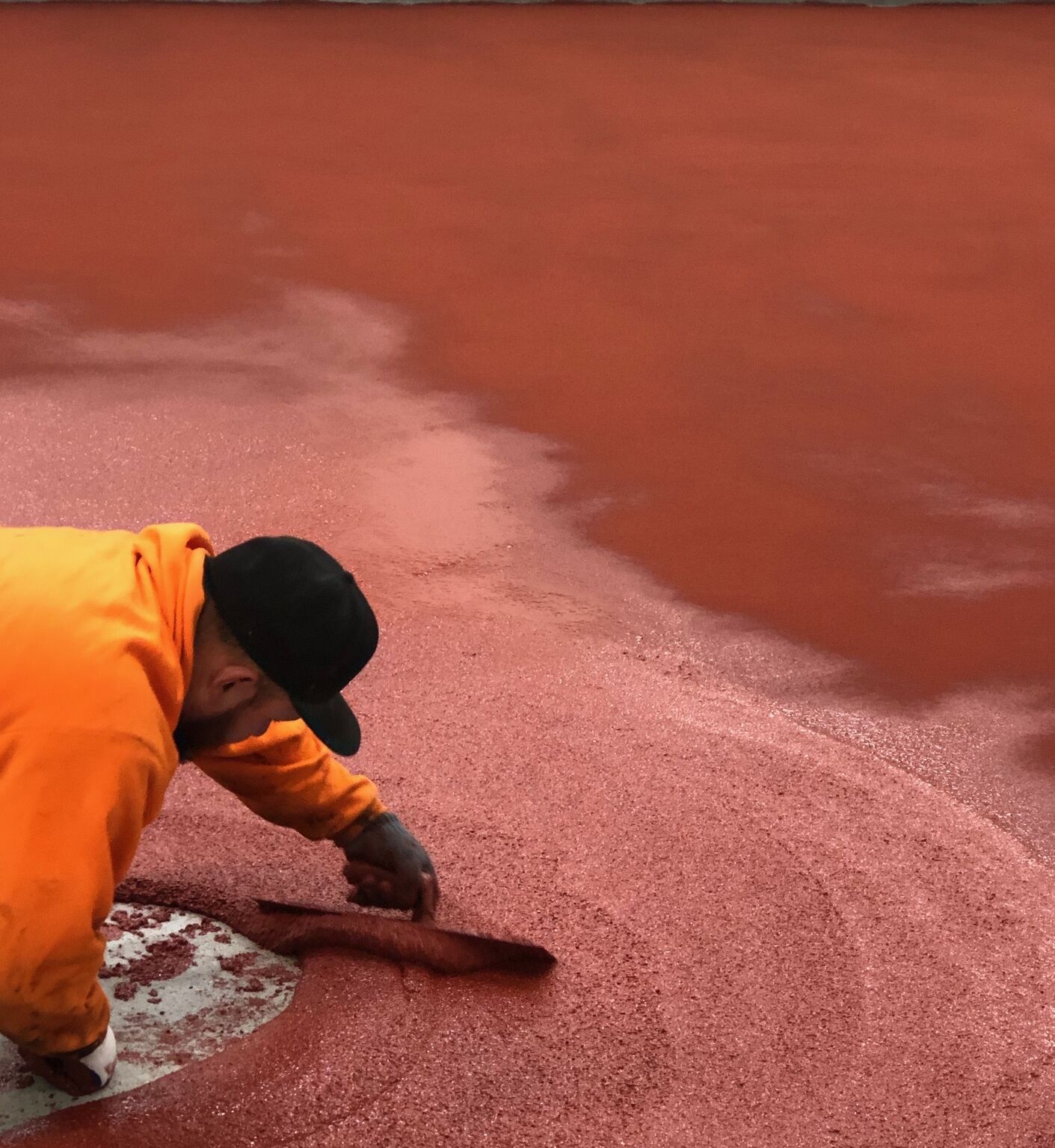
A food plant floor is not just judged on install day. It is judged after washdown, forklift traffic, thermal cycling, repairs, and the next inspection walk-through.
1. The Surface Has to Be Intact and Cleanable
Cracks, open seams, porous patches, failed grout, exposed aggregate, and delaminated coating edges all create places for soil and moisture to stay behind. Once that starts, sanitation crews can clean the room and still lose the battle at the floor.
A seamless resinous flooring system removes many of those weak points, but only if the substrate is prepared correctly and the system is thick enough for the abuse. Thin coatings over a failing surface usually become the next inspection finding.
2. The Floor Has to Survive the Plant's Actual Abuse
Food plant floors are hit from every direction: forklifts, pallet jacks, dropped tools, washdown, alkaline cleaners, acid rinses, fats, blood, brine, thermal shock, and constant production traffic. A floor that works in a dry warehouse can fail fast in a kill floor, dairy room, bakery washdown area, or cooler conversion.
That is why cementitious urethane systems like SaniCrete STX are used in heavy food processing environments. STX is built for moisture, impact, chemicals, thermal cycling, and repeated washdowns, with stainless steel reinforcement for demanding rooms.
3. Drainage and Slope Cannot Be an Afterthought
Standing water is one of the easiest problems for an inspector, auditor, or sanitation manager to spot. It can point to poor slope, sunken concrete, blocked drains, equipment changes, or years of patchwork that changed how the room drains.
Sometimes the flooring material is not the real problem. The problem is that water cannot get to the drain. In those rooms, slope correction and substrate rebuilding matter just as much as the finished floor. SaniCrete often pairs STX with SaniBulk polymer concrete when the floor needs to be rebuilt before the final system goes down.
4. Cove Base, Curbs, and Drains Need Sanitary Transitions
The wall-to-floor line is a common failure point. So are curbs, equipment pads, pipe penetrations, trench drains, floor drains, and old patched edges. Square corners and separate strips can open up over time, leaving harborage points where debris and moisture collect.
Integrated cove base and clean drain details make the room easier to wash down and easier to inspect. SaniCrete VR cant cove is used where wall lines, curbs, and vertical transitions need a cleanable radius instead of a hard 90-degree corner.
5. Slip Resistance Has to Match the Room
There is no single texture that is right for every food plant room. A floor that is too smooth becomes dangerous under washdown. A floor that is too aggressive can hold soil and slow sanitation. The right profile depends on footwear, traffic, process residue, cleaning method, water volume, and whether the room sees thermal shock or greasy conditions.
This is where field experience matters. The installer has to understand the process, not just apply a generic broadcast. The goal is a surface employees can work on safely and sanitation can still clean.
What Usually Shows Up as a Flooring Finding
- Cracked or deteriorated floors: breaks in the surface that hold moisture or debris
- Standing water: slope or drain problems that leave birdbaths after washdown
- Missing or damaged cove base: wall-to-floor transitions that are hard to clean
- Pitting or erosion: chemical, thermal, or traffic damage that roughens the surface
- Delamination: coating separation that traps water below the floor system
- Repeat patch failures: repairs that cover symptoms without fixing substrate, slope, or transition problems
The Right Fix Starts With Why the Floor Failed
If a floor was flagged during an inspection or audit, the answer is not automatically another coating layer. Start with the failure mode. Is the substrate unsound? Is water pooling? Are drain edges open? Is the room seeing thermal shock? Are sanitation chemicals attacking the surface? Are patches failing because the prep was wrong?
SaniCrete manufactures and installs its own resinous flooring systems, so the recommendation can cover the full scope: removal, surface preparation, slope correction, drains, cove base, patching, and the final flooring system. One company is responsible for how the room performs after the crew leaves.